by: Mike Richardson
There are many fun sayings out there that involve the word “hay”. “We better make hay while the sun shines.” “It is time to hit the hay,” and so on. In the fall, folks in the U.S. see hay stacked up around people’s front door. We go for “hayrides.” I have even seen giant, round bales of hay sitting out in fields decorated to look like jack-o-lanterns!
Though we call these “hay rides” – the grassy substance beneath the riders is actually straw – read on to learn more.

The funny thing is, most people never realize that most of the “hay bales” around their front door or the hay on a hayride is not hay at all!!
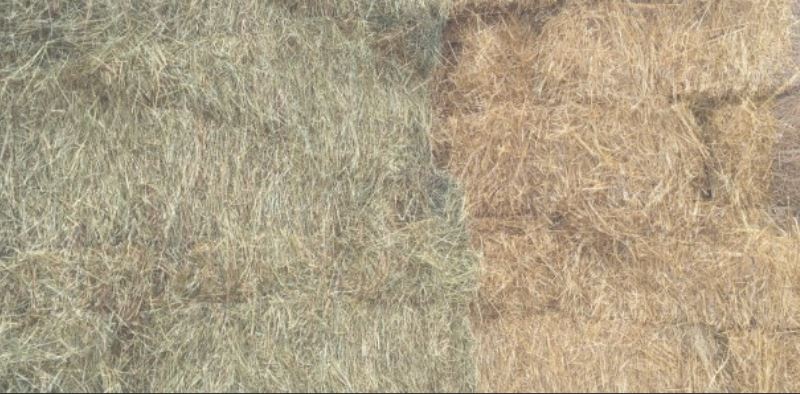
Most of these bales are straw, not hay. The next obvious question – what is the difference between hay and straw?

“Straw” refers to the plant material left over after grains such as wheat, oats or barley have been harvested. The stems left behind become straw. Most of the nutrition of grain crops lies in the grain. The remaining stalks – the straw – are generally very low in quality and not very healthy for animals. It can be used as a part of animal’s diet if there is nothing else to eat, but it is usually considered a waste product and is typically processed into bales and used for other purposes.
Straw can be used as bedding for animals, as stuffing for a mattress, and can be used to make things like a basket or a straw hat. Recently, straw has been used as a fuel source for bioenergy. There are also some handy uses of straw around the house, such as a mulch to prevent erosion when seeding your lawn or placed around strawberry plants to prevent the fruit from laying on the soil. Straw has also become popular as a building material. The walls of houses or buildings can be insulated with bales of straw – a natural product that is relatively cheap to use!! And, of course, straw is a very popular decoration for the front porch during the fall season.

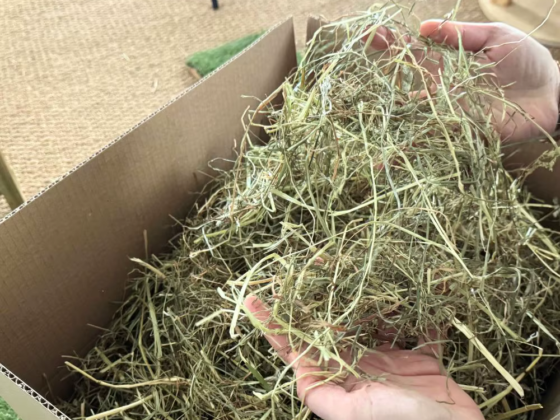
When we talk about “making hay”, we are really talking about making something that an animal can eat. Hay is usually gathered up into bales, and stored for the animals to eat during the winter when the grass is not available. In many parts of the world, farmers depend on hay to feed their cattle, sheep, or horses during the long winter period. In periods of drought, hay can also be used to feed animals when normal grazing is not enough. Many farmers specialize in growing hay that they sell to other farmers in their region.
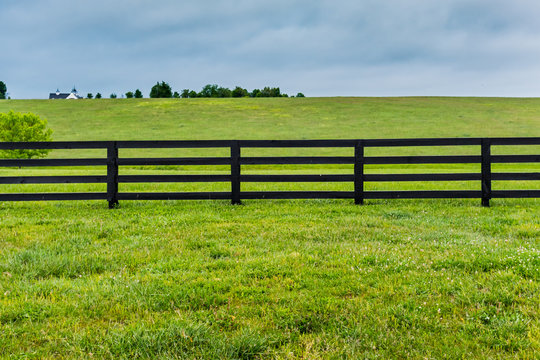
We want hay to come from plants that are good and healthy for animals to eat. This could mean nutritious grasses like ryegrass or Bermuda grass or from legumes like clover or alfalfa. Hay will often be a mixture of plants that can make it more nutritious. Growers need to be careful to not include plants that are poisonous. Hay is typically produced as a perennial crop and often on land that may not be suitable for grain production. As such, it provides a valuable use for lands that would not be productive for other things.
The biggest difference between the production of hay and straw is that hay is typically harvested before the plants make seed and are just growing leaves. These leaves are packed full of nutrients and easy for an animal to digest compared to the low-quality stems left behind as straw. Those nutritious leaves are also more sensitive to the environment and can become moldy or damaged if they are rained on after harvest. The way growers store their hay becomes very important.
So, this fall, when someone asks you to go for a hay ride, you can let them know that it may technically be a “straw” ride. While correct, I doubt that name will stick!
To read more about hay – and other forage grasses, visit https://www.crops.org/about-crop-science/grazing-forage.
Answered by Mike Richardson, University of Arkansas
About us: This article is sponsored and written by members of the American Society of Agronomy and Crop Science Society of America. Our members are researchers and trained, certified professionals in the areas of growing our world’s food supply while protecting our environment. We work at universities, government research facilities, and private businesses across the United States and the world.