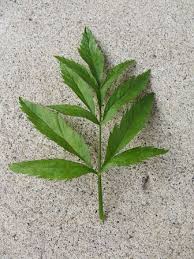
Water Hemlock (Cicuta Maculate) is one of the most toxic plants found in North America.
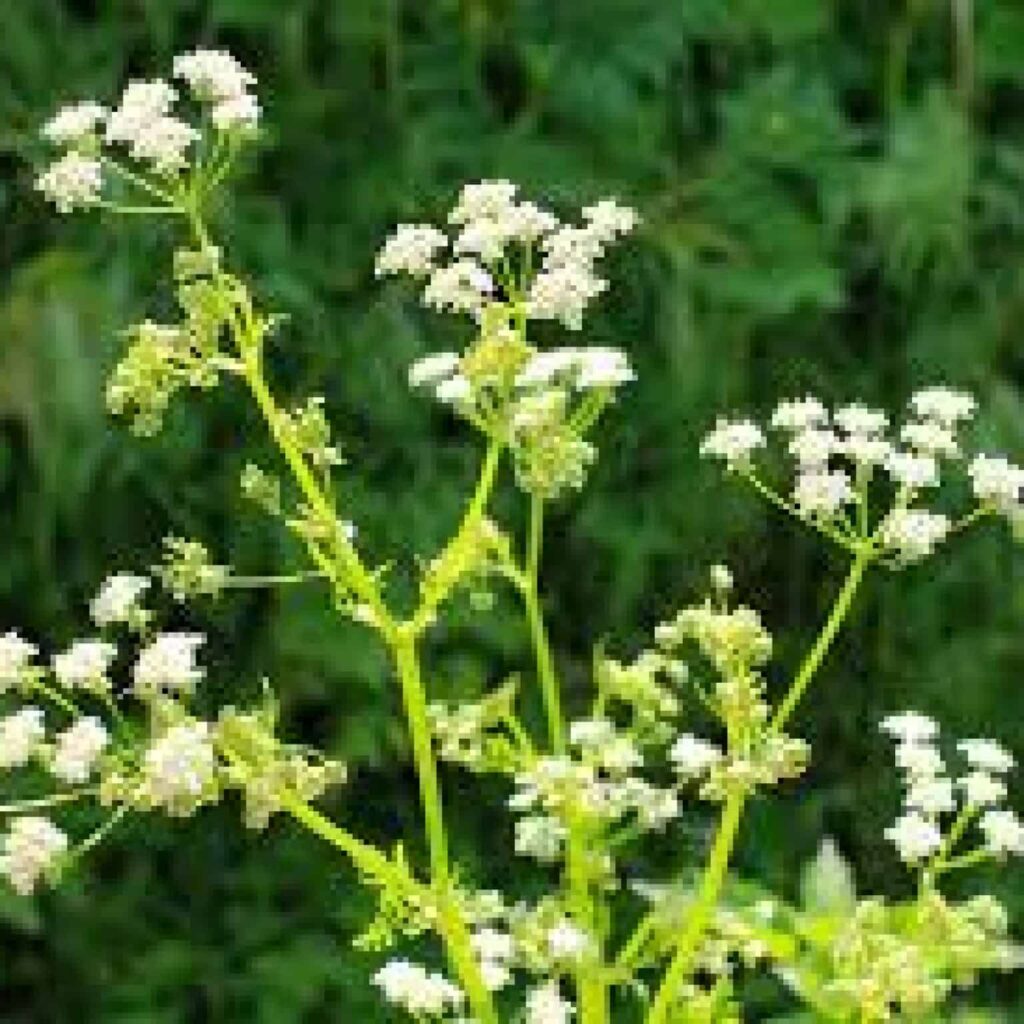
It proliferates in wet soils and full sun, as the well known disturbed soil weed Canadian Thistle thrives on dryer ground. Like thistle, if given the opportunity Water Hemlock will multiple voraciously.
I have always been interested in native plants and grasses, so when we bought a forested parcel of land, I went to work trying to identify every different plant that I could find. If you have priced land in the past twenty years you will have noticed that land has become very expensive everywhere, with rolling, open ground even more so. We decided, after serious contemplation, that instead of just clear cutting the forest we would do our best to develop our property into a manageable place for me to run my small business and at the same time work with the diversity of the forest ecosystem. Number one, this meant that my business would be put on hold until we could spend some time learning about our land. This ended up taking nine years.
With that loss of time and potential business income, perhaps purchasing a more desirable parcel for $50,000 to $100,000 more would seem prudent. However, our family, though very hard working, has always been in a lower income bracket and taking on a large debt can be hazardous to a person in our situation. Thus, we decided to try to take on some very complex ecological situations with the resources we had, sweat and ingenuity.
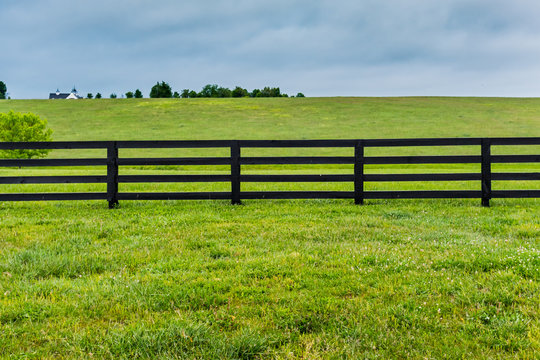
That is how we ended up walking out through our prospective “horse pasture” one late spring morning and discovering that what must have been just a few parent Water Hemlock plants had seeded and germinated into thousands of little Water Hemlock seedlings sprouting up thru the grass and woody shrubs. I immediately moved all three of my horses to a small dirt paddock where I could easily remove any toxic weed. I had noticed these hemlock plants growing in roadside ditches around our area and naively expected every local farmer to have experienced trying to eradicate them. I did a lot of calling and to my surprise found that most of the famers had no idea what a Water Hemlock plant was, and if they did, many did not know the plant was toxic to both humans and livestock. There were no horse farms in my area at the time, mainly cattle. Cattle have been known to die from drinking out of a pool of water that had been contaminated by the Water Hemlock root, which is the most toxic part of the plant. The plants grow in wet, mud prone areas, livestock tromp around, step on plants, and create pools of water.
I continued to look for help. I called the state and local extension services and was referred to other out state extension offices. I did find information online from some southern state extension offices discussing control of Water Hemlock, but the only guidance they suggested was the use of herbicides, that may or may not be effective. Mechanical removal was mentioned, but only in passing, nothing more specific.
From those small tidbits of information I began to organize a plan. I have worked for over five years as a feed mill employee selling seeds, fertilizer and herbicides so I understood how and what to apply. I also have a bachelors degree in Forest Management and understand the hazards of herbicide application on the ecosystem and soil in my backyard. So with little information, thousands of plants and no safe pasture for my animals, I began my assault by using herbicide, both glyphosate and 2-4D, along with a product called “Range Star” that is specifically designed for pasture weeds. All others I felt were too hazardous to apply in my area.
For as many applications as I put down over two years, I feel that the herbicide was only minimally effective. It would slow the growth of the plant by killing (partially at times) the above ground part of the plant, but did nothing to the root.
My second affront on the hemlock was mechanical, physically removing the plant. I weed whacked, mowed and shoveled out thousands of plants. I shoveled only because I was very angry at myself for buying this low land, and at the realtor for advertising it as high ground. Mowing is not an easy feat in a swampy, wet shrub land, but that is what my beat up heavy old steel lawnmower was for. I went through more than a couple mower blades. We bought a new weed whacker, and with it I was able to tackle the hemlock hiding in the heavy alder brush and aspen seedlings. Water Hemlock is a perennial and grows by seed and through its root system. So after what became a serious six year effort to eradicate the Water Hemlock I began to slowly knock the plant back. Now, ten years from the day we walked out and saw thousands of seedlings, I am able to control the hemlock by manually pulling out every plant I see that is about to seed out in the late summer, and by walking through the pasture and weed whacking any small colonies of seedlings that try to come up.
Water Hemlock is an opportunistic, pioneer species of wet ground. Not creating habitat for the hemlock to flourish in is the best way to keep it out. The fact that I put my three horses out on the area without noticing the dozen or so seed plants that were growing that first year, created a perfect seedbed for the plant to seed itself into and pop up in the thousands the following spring.
Most importantly, I now maintain my three, two to three acre pastures by limiting the grazing, (I have four small sacrifice paddocks for the horses in the very wet seasons), mowing the weeds before they seed out and overseeding. Developing a thick grass “duff” protects the soils from many of the other weed seeds taking hold. This reduces the rude introduction of many other weed species, along with the Water Hemlock, which in my area can include Canadian thistle, buttercup, tansy, burdock, peppergrass, and wild mustard. I’m still fighting the hemp nettle.