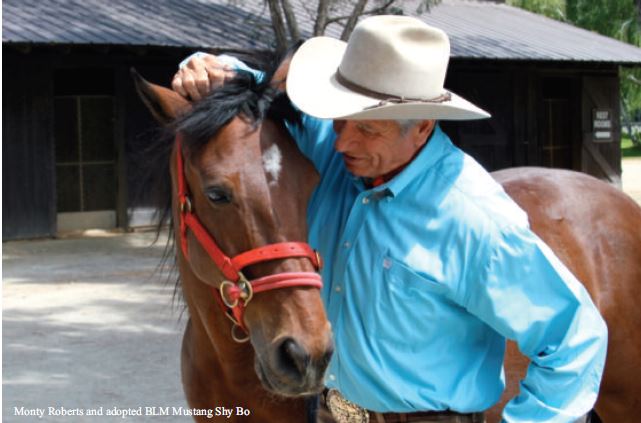
I want the horse to want to be with me – Monty Roberts
By: Debbie Roberts Loucks
When it comes to loving your horse, how do you show it? You may never have considered what your horse’s needs are when it comes to affection. It’s not about us, it’s not ME-search, it’s a bit of RE-search. Surprisingly, each horse is a little different in their needs for affection and our job should be to figure out what constitutes affection for them.
Horses will focus on you when you focus on them. Being present and in tune with your time together builds trust between both of you like no other attribute. Have you noticed when two horses, who may have never met before a long trailer ride together, can be so bonded at the end of the trip that they are practically inconsolable?
The quality of your time together matters to the horse. Just going through the motions to ride and train your horse is a lot less effective than being fully present and noticing all the nuances of their demeanor that day. Staying off your phone and actively watching how they are taking in their environment or lesson is relational. You might ask them for more effort, or you might back off the training, depending on how well you read your horse.
Be mindful and present with your horse, even during their bathing and grooming. This leads to another important act of love for your horse, how you physically touch your horse. Notice how horses groom each other when turned out. Often they will stand next to each other, facing opposite directions, each scratching the other’s withers. Being scratched and stroked is enjoyable for them. They don’t like being patted as much, it can actually raise their adrenaline. They can be trained to tolerate it, but that isn’t love.
Temple Grandin, an author of animal behavior books is also autistic, granting her an insight in the sensitivities of the flight animal. When we spoke recently, she told me that she regularly reminds horse owners not to pat their horses. Instead, she suggests they find their horse’s favorite spots and safely give them an affectionate rub. Favorite areas are on the neck and chest where they can’t reach. This kindness helps build a horse’s confidence in your relationship.
With that respectful touch, I suggest you add your voice in gentle tones of affection. Your horse will recognize this as a language between you both. The words matter less than the resonating sounds you utter at times of praise or when you greet your horse. Those sounds plus the rubs and strokes can cause relaxation in a horse and affirmation for jobs well done, in the saddle and on the ground. Horses read our intentions very well and know the difference between praise and annoyance. Horses want to please you. Help them understand what actions you are rewarding.
Most owners love it when they hear their horse nicker to them when they see you coming. Recognizing your car or your voice in the barn aisle, horses do learn to know those who spend time with them. Some owners think it’s the treats they bring to the barn every time they arrive. Though your horse may welcome these gifts, they can create more problems for your relationship than you might imagine.
My father, Monty Roberts, contends that no blade of grass has ever run from a horse and food is not a reward like it is for a dog or a cat. Treats given from the human body can turn a gentle horse into a biter. If you insist on feeding treats, toss them in a feed bucket rather than from your hand. Quality rewards for a horse come in the form of release of pressure. Rest and relaxation or cessation of work is a greater reward than treats. Though horses won’t refuse treats, they’re not as comforting to them as a good rub.
If you want to serve your horse, a much better act of love and affection is to insure they have a clean water trough, fresh bedding and maybe a quiet walk with you as a change of pace. Well fitted and comfortable tack makes a good experience for your horse. Horses appreciate clear leadership decisions by us too, for their trust in your ability to protect the herd. If you are deemed trustworthy, you will be followed and remembered. The best way to observe your horse’s preferred forms of affection is to watch them in a field with other horses. Does your horse initiate the grooming on other horses or is it more reserved? Does your horse have a sense of humor, playfully tagging other horses and raising the energy level of the herd? Or is your horse the one who waits for the ruckus to subside and wanders off for a good roll in a soft spot? Your horse will appreciate that you notice the difference and love them accordingly.