Equine Monthly
  • Home
  • ARTICLES
    • Bedding
    • Deworming
    • Dr. Tom Schell, DVM, CVCH, CHN
    • Dressage
    • Education
    • Equine Art
    • Equine Careers
    • Equine Health
    • Equine Organizations
    • Equine Stories
    • Equipment
    • Events
    • Feed
    • Julie Christie
    • Legislation
    • Lynn Palm Equestrian
    • Racing
    • Showing
    • Showjumping
    • Tack
    • Training
    • Travel
    • Uncategorized
    • Youth
  • Events
    • Trail Guide
      • Illinois Trails
      • Iowa Trails
      • Minnesota Trails
      • Nebraska Trails
      • North Dakota Trails
      • South Dakota Trails
      • Wisconsin Trails
    • Expos and Fairs
    • Horse Shows and Clinics
  • ADVERTISE
    • Digital/Web Ads
    • Print Ads
  • CONTACT
Equine Monthly
Equine Monthly
  • Home
  • ARTICLES
    • Bedding
    • Deworming
    • Dr. Tom Schell, DVM, CVCH, CHN
    • Dressage
    • Education
    • Equine Art
    • Equine Careers
    • Equine Health
    • Equine Organizations
    • Equine Stories
    • Equipment
    • Events
    • Feed
    • Julie Christie
    • Legislation
    • Lynn Palm Equestrian
    • Racing
    • Showing
    • Showjumping
    • Tack
    • Training
    • Travel
    • Uncategorized
    • Youth
  • Events
    • Trail Guide
      • Illinois Trails
      • Iowa Trails
      • Minnesota Trails
      • Nebraska Trails
      • North Dakota Trails
      • South Dakota Trails
      • Wisconsin Trails
    • Expos and Fairs
    • Horse Shows and Clinics
  • ADVERTISE
    • Digital/Web Ads
    • Print Ads
  • CONTACT
Home ARTICLES Add A Serving Of Caution To The Tender Spring Grass
  • Equine Health
  • Feed

Add A Serving Of Caution To The Tender Spring Grass

  • March 3, 2025
  • Larry Grambort
Total
0
Shares
0
0
0

By: Juliet M. Getty, Ph. D.

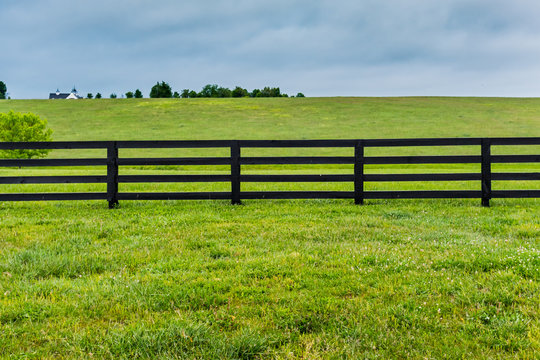
Spring is almost upon us in most of the country, so it’s time to revisit that critical topic: Spring Grazing. Transitioning a horse from hay to pasture must be handled with care; this point is non-negotiable.

For every horse, a gradual change from hay to grass is required to enable the digestive system to adapt, but for the insulin-resistant horse, grazing time and duration can make the difference between soundness and a disabling condition like laminitis.

This time of year can be a test of patience for both horse—and owner. The horse may be pawing at the gate to get to the first taste of tender spring grass, yet the owner must pay close attention to making the transition safe and healthful.

As the leaves form from the first spring sprouts, the sugar and starch content increases, making it especially tempting. Regardless of the growth stage, quantities should be monitored because horses crave fresh grass and will eat volumes of it, making their overall non-structural carbohydrate (NSC) consumption dangerously high for horses who are overweight, cushingoid, or who have experienced pasture-related laminitis.

Temperature and sunlight play a major role in the amount of NSC accumulation. To be safe, here are the rules:

  • When the night temperature is below 40 degrees F, the grass is too high in NSC.
  • Once it gets above 40 degrees F at night, the lowest NSC level is before the sun rises.
  • The NSC level is highest in late afternoon, after a sunny day.

There is no exact “best time” to turn out your horses on pasture. Generally speaking in moderate climates, it’s safest before dawn, until approximately 10:00 am, and then again at night, starting at around 11:00 pm. Start slowly, offering hay when horses are not on fresh grass.

Finally, test your pasture! Yes, testing is not only for hay. It will take the guesswork out of knowing which times are best.

Permission to reprint this article is granted, provided attribution is given to Juliet M. Getty, Ph.D. No editorial changes may be made without her permission. Dr. Getty appreciates being notified of any publication.
Juliet M. Getty, Ph.D. is an independent equine nutritionist with a wide U.S. and international following. Her research-based approach optimizes equine health by aligning physiology and instincts with correct feeding and nutrition practices.

Dr. Getty’s comprehensive book, Feed Your Horse Like a Horse, is available at www.GettyEquineNutrition.com  — buy it there and have it inscribed by the author, or get it at Amazon (www.Amazon.com ) or other online retail bookstores. The seven separate volumes in Dr. Getty’s topic-centered “Spotlight on Equine Nutrition” series are available with special package pricing at her website, and also at Amazon in print and Kindle versions. Dr. Getty’s books make ideal gifts for equestrians.
Find a world of useful information for the horseperson Sign up for Dr. Getty’s informative, free e-newsletter, Forage for Thought; browse her library of reference articles; search her nutrition forum; and purchase recordings of her educational teleseminars. Reach Dr. Getty directly at [email protected]. She is available for private consultations and speaking engagements.

Total
0
Shares
Share 0
Tweet 0
Pin it 0
Larry Grambort

Previous Article
  • Feed

Beyond the Pasture Fence

  • March 2, 2025
  • Chris Grambort
View Post
Next Article
  • Equine Health
  • Training

Music Calms Horses’ Emotional State

  • March 4, 2025
  • Larry Grambort
View Post
You May Also Like
View Post
  • Education
  • Equine Health
  • Equine Organizations

Why Digestive Health Is the Foundation of Every Horse’s Wellbeing

  • Chris Grambort
  • February 10, 2026
View Post
  • Equine Health
  • Equine Organizations

Avoiding A Lameness Exam

  • Larry Grambort
  • March 10, 2025
View Post
  • Feed
  • Uncategorized

Switching to Hay?

  • Chris Grambort
  • March 9, 2025
View Post
  • Equine Health
  • Feed

Maintain Your Horse’s Gut – Keep Them Hydrated During Summer Months To Maintain Health And Energy

  • Larry Grambort
  • March 5, 2025
View Post
  • Equine Health
  • Feed

What Is “Vegetable” Oil?

  • Larry Grambort
  • March 4, 2025
View Post
  • Equine Health
  • Training

Music Calms Horses’ Emotional State

  • Larry Grambort
  • March 4, 2025
View Post
  • Feed

Beyond the Pasture Fence

  • Chris Grambort
  • March 2, 2025
View Post
  • Equine Health
  • Uncategorized

Biomechanics Of Arena Footing

  • Chris Grambort
  • March 2, 2025
Follow Us
Facebook
Trending Posts
  • 1
    Rebuilding Your Horse’s Core For Health And Soundness
    • October 16, 2020
  • 2
    Rebuilding The Horse’s Hoof For Soundness & Health
    • March 15, 2021
  • 3
    Horse Anxiety And Adaptogens
    • June 17, 2020
  • 4
    Managing COPD & Allergies In The Horse With A Herbal Blend
    • January 15, 2021
  • 5
    Scratches, Rain Rot & Skin Allergies
    • October 17, 2020

CLICK HERE FOR NATIONAL TRAIL GUIDE

About

Equine Monthly LLC PO Box 217. Osseo, WI 54758

Social:
  • https://www.facebook.com/equine.monthly

Phone: 817-307-5944

@2026 Equine Monthly. All Rights Reserved

Input your search keywords and press Enter.