Equine Monthly
  • Home
  • ARTICLES
    • Bedding
    • Deworming
    • Dr. Tom Schell, DVM, CVCH, CHN
    • Dressage
    • Education
    • Equine Art
    • Equine Careers
    • Equine Health
    • Equine Organizations
    • Equine Stories
    • Equipment
    • Events
    • Feed
    • Julie Christie
    • Legislation
    • Lynn Palm Equestrian
    • Racing
    • Showing
    • Showjumping
    • Tack
    • Training
    • Travel
    • Uncategorized
    • Youth
  • Events
    • Trail Guide
      • Illinois Trails
      • Iowa Trails
      • Minnesota Trails
      • Nebraska Trails
      • North Dakota Trails
      • South Dakota Trails
      • Wisconsin Trails
    • Expos and Fairs
    • Horse Shows and Clinics
  • ADVERTISE
    • Digital/Web Ads
    • Print Ads
  • CONTACT
Equine Monthly
Equine Monthly
  • Home
  • ARTICLES
    • Bedding
    • Deworming
    • Dr. Tom Schell, DVM, CVCH, CHN
    • Dressage
    • Education
    • Equine Art
    • Equine Careers
    • Equine Health
    • Equine Organizations
    • Equine Stories
    • Equipment
    • Events
    • Feed
    • Julie Christie
    • Legislation
    • Lynn Palm Equestrian
    • Racing
    • Showing
    • Showjumping
    • Tack
    • Training
    • Travel
    • Uncategorized
    • Youth
  • Events
    • Trail Guide
      • Illinois Trails
      • Iowa Trails
      • Minnesota Trails
      • Nebraska Trails
      • North Dakota Trails
      • South Dakota Trails
      • Wisconsin Trails
    • Expos and Fairs
    • Horse Shows and Clinics
  • ADVERTISE
    • Digital/Web Ads
    • Print Ads
  • CONTACT
Home ARTICLES Choosing The Right Type Of Bedding
  • Bedding

Choosing The Right Type Of Bedding

  • July 30, 2021
  • rmj
Total
0
Shares
0
0
0

If you’ve got horses, then there’s no escaping it: you need bedding. But what type should you choose? Shavings? If so, what kind? Maybe Straw? Pellets? A variety of materials are available, and by knowing the properties of each, you can choose the right type of bedding for your horse or facility.

Bagged shavings are the most popular type of bedding, and for good reason. They are easy to transport and store, absorbent, and horses are not likely to consider it a food source.
The cost for a bag of shavings can be deceptive. Most bags had a cubic volume of 2.5 – 3.5 feet.  To determine exactly what you are paying, divide the cost of a bag by the cubic feet in the bag. For example, if the bag costs $4.50 and contains 2.8 cubic feet, divide the $4.50 by 2.8. Your cost is 1.607/cubic foot. When you do the math, a bag that costs you $3.50 might prove more expensive overall

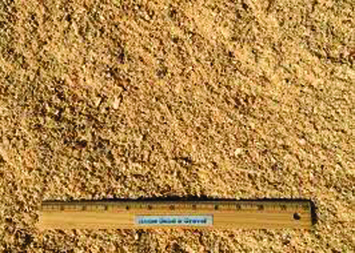
Two types of shavings are generally available, pine, which is a by-product of the furniture industry, and a larger flake shavings that is a product of the log itself designed specifically for the horse industry. Pine, a soft wood, can be either southern yellow pine or Northeast white pine (spruce).

These fine shavings have a smaller chip size and low moisture content (about 5 %) making them much more absorbent. As wood for furniture is dried first, then processed, much of the moisture is removed before shavings are produced.

Yellow pine shavings are more costly than the Northeast pine, as there is the transportation cost to be factored in.

The larger flake shavings, designed specifically as horse bedding, are shaved off logs, run through a tumbler dryer, then bagged. As this process retains more moisture, the shavings are less absorbent, and may sweat in the bags, resulting in damp shavings.

One sure way to save on shavings is to arrange for a dropped tractor-trailer load, as opposed to constantly ordering smaller quantities.

Straw, although not seen so much in show barns, still is used predominantly at racetracks and for breeding farms in foaling season. It’s a more comfortable bed for horses, as there is more volume to it. However many grooms find it harder to clean a straw stall than one with shavings. While horses will often eat oat or barley straw, they tend not to go for wheat straw, so this is most commonly used.  A residue of the small grain process, the wheat seed is taken out leaving the long stemmed wheat straw, as an absorbent bedding (if properly made and dried).

Some people prefer pelleted bedding for their horses. Although very absorbent, they do not provide much cushioning. We hope this has taken some of the mystery out of choosing the right bedding for your horse or horses.  Bedding is an important choice to insure your horse’s health, so making an educated choice is vital.


Total
0
Shares
Share 0
Tweet 0
Pin it 0
rmj

Previous Article
  • Lynn Palm Equestrian
  • Training

In-Hand Whip To Reinforce Voice Commands

  • July 15, 2021
  • rmj
View Post
Next Article
  • Equine Organizations
  • Equine Stories

Our Hero’s Have Always Been Cowboys

  • July 30, 2021
  • rmj
View Post
You May Also Like

Leave a Reply Cancel reply

Your email address will not be published. Required fields are marked *

Follow Us
Facebook
Trending Posts
  • 1
    Managing COPD & Allergies In The Horse With A Herbal Blend
    • January 15, 2021
  • 2
    Rebuilding Your Horse’s Core For Health And Soundness
    • October 16, 2020
  • 3
    Rebuilding The Horse’s Hoof For Soundness & Health
    • March 15, 2021
  • 4
    Horse Anxiety And Adaptogens
    • June 17, 2020
  • 5
    Scratches, Rain Rot & Skin Allergies
    • October 17, 2020

CLICK HERE FOR NATIONAL TRAIL GUIDE

About

Equine Monthly LLC PO Box 217. Osseo, WI 54758

Social:
  • https://www.facebook.com/equine.monthly

Phone: 817-307-5944

@2026 Equine Monthly. All Rights Reserved

Input your search keywords and press Enter.