The best time to give a horse dwell time is after it has tried to perform a new maneuver.
By: Pat McKnight
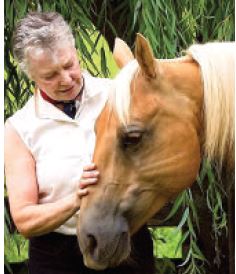
One of the hardest things for a horse trainer to do is nothing, especially when the horse has performed well. But, doing nothing can be one of the most effective training techniques. Letting your horse stand after it has successfully performed a maneuver is one of the best rewards it can receive. If you consistently ask your horse to continue to perform maneuvers after it has done well, you are essentially punishing your horse.
This time-out during a training session is as important as introducing your horse to new cues and teaching it the correct response. This down time allows a horse to process the lesson and dwell on what it has learned. Along with allowing the horse to think over the lesson, dwell time keeps it from becoming anxious. A relaxed horse is a thinking horse, and a thinking horse is a learning horse.
The length of dwell time given a horse can vary. During a particularly demanding session, the time spent letting the horse relax might be longer than the time spent on the performance part of the lesson. A number of years ago, I audited a clinic given by Bob Loomis, a world renowned reining horse trainer and competitor. At the clinic, Loomis rode his horse at a gallop for about ten minutes, doing circles, flying change of leads and sliding stops.
After he put the horse through its paces, Loomis allowed it to stand and “fill up on air” for more than a half hour while he explained his training methods and philosophy to the audience in the bleachers. As Loomis was talking, the horse stood quietly taking advantage of a welcome rest period.
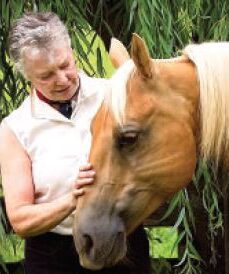
When horses are given dwell time, they will generally indicate they are mulling over the lesson by lowering their heads and making slow chewing motions. Also during the quiet time, the horse might give a sigh. The release of air indicates the horse has processed the lesson and determined it figured out what its rider wanted. If you end the lesson when your horse gives a sigh, it will try to reach the point of acceptance sooner in future lessons.
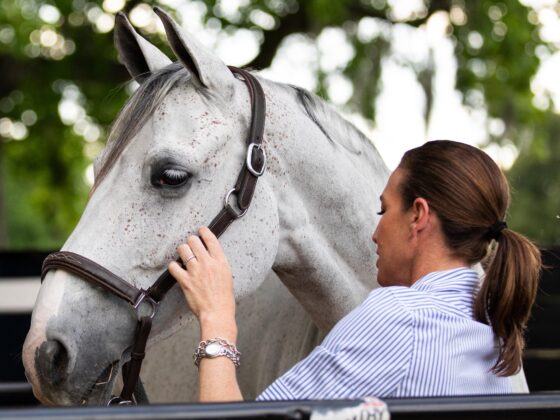
Giving a horse dwell time should vary to avoid creating a pattern and teaching your horse that it can quit after it performs a certain maneuver. The best time to give a horse dwell time is after it has tried to perform a new maneuver or needs to “fill up on air” after a demanding workout.
As stated at the beginning of this article, giving a horse dwell time can be difficult for horse trainers. This is likely due to the fast pace of modern life and the belief we aren’t being productive unless we are doing something.
For those who find it difficult to let quiet into their lives, it may be helpful for both trainer and trainee if the human partner learns meditation techniques. Meditation has been shown to provide humans with a number of health benefits, which means dwell time can be good for the hobby horse trainer as well as the horse.
Meditation has been shown to lower high blood pressure and decrease tension that can cause ulcers, insomnia and other health issues. Meditation has been found to boost the immune system, energy levels and elevate moods. Along with those mental improvements, the regular practice of meditation decreases anxiety, promotes creativity and intuition, sharpens the mind and expands consciousness.
You don’t need to go to a meditation studio to reap the benefits of meditation; you can get them by sitting in your saddle. As you sit on your horse, become conscious of your breathing as well as your horse’s breathing. By doing mindful breathing, you might notice you and your horse are breathing in sync.
Dwell time is time when the hobby horse trainer can release tension resulting from the demands of work, family and other areas of life. Those things can wait for a few minutes while you and your horse dwell in the moment.
With a bit of practice, you will find it isn’t so difficult to have some real “dwell times” in your life as a hobby horse trainer. Through her horse training and rider instruction business, Equest-ETS, Pat McKnight travels to work with horse owners at their stables. As an itinerant trainer, she helps horse owners develop a training program suited to their abilities and situations.
She can be reached by emailing [email protected]
Or visiting EQUESTETS.WORDPRESS.COM