By: Codi Harrison
Colic is a wide-ranging term that describes any equine stomach pain or upset and is a major cause of concern for most horse owners. Colic is typically caused by an abrupt change in diet, lack of exercise, change in weather or any change in environment or activity. When cold weather settles over much of the country, keeping horses confined more than normal and a lack of exercise are two concerns for increased occurrences of colic.
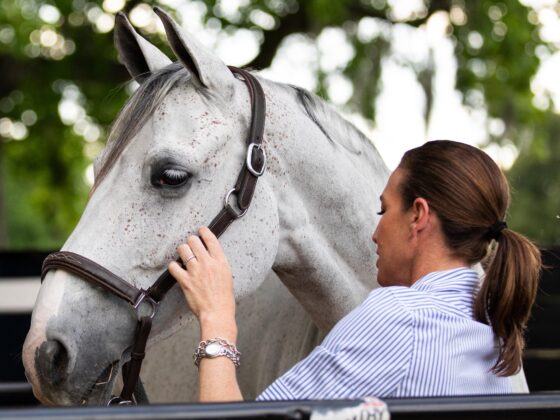
Codi Harrison has spent her lifetime as a student of the equestrian world and knows the benefits of keeping her horses healthy and happy. She started riding when she was just 5-years-old in Augusta, Kan., a self-proclaimed “backyard rider.” She studied and competed in various disciplines including Hunter Jumper and at the age of 12, found her passion in the sport of Dressage, training and falling in love with a mare, Ava. She purchased Ava and followed that trainer to a barn in Texas. When she was 16, Harrison, traveled to Germany to work in a barn for a short stint, and finally landed in Florida, where she has stayed.
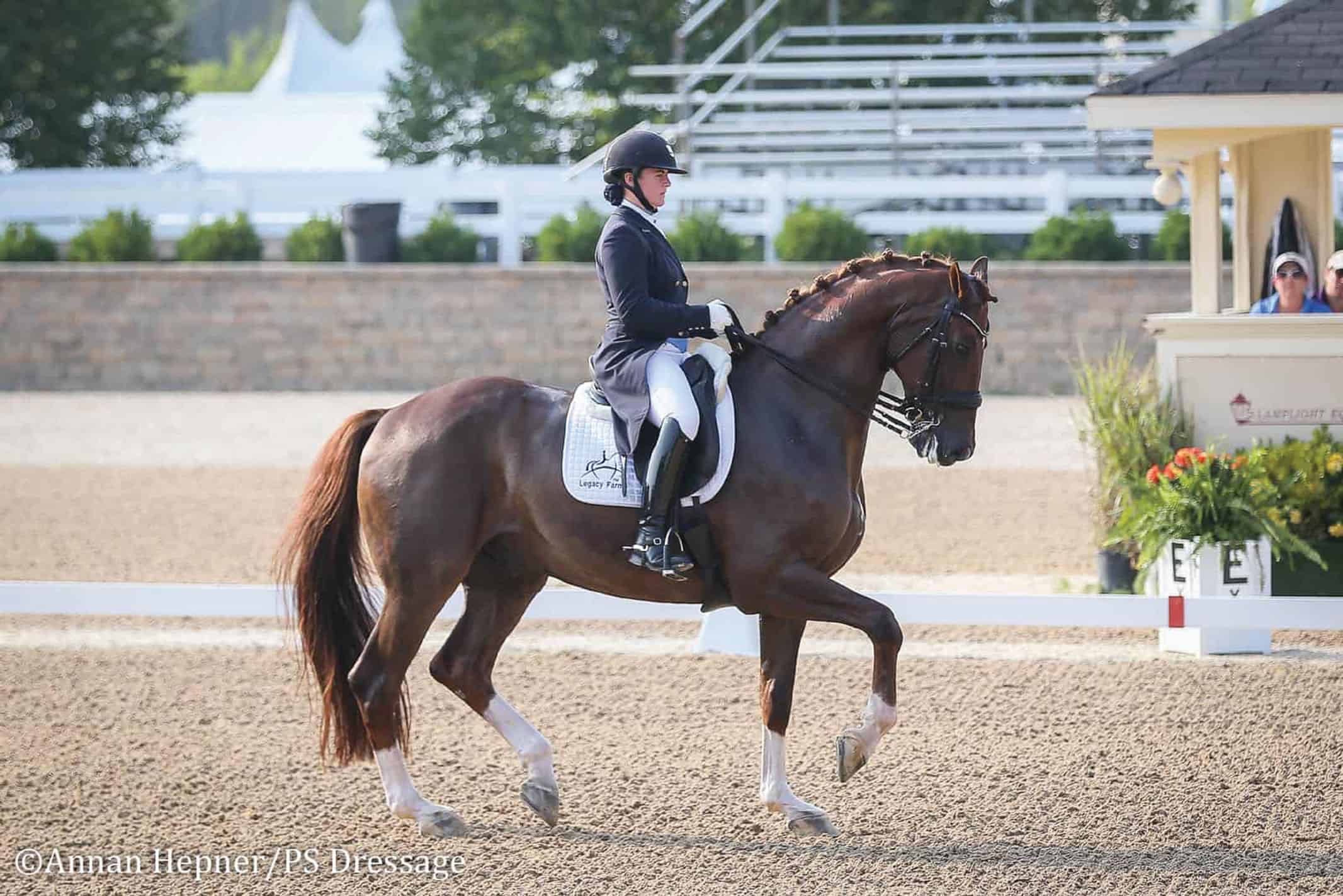
Harrison is currently a competitive Dressage assistant trainer at Legacy Farms in Loxahatchee, Fla., and trains under Olympian Lars Peterson. In 2018 she was named USEF Young Adult ‘Brentina Cup’ Dressage National Champion.
“I’m a believer in turn-out. I think horses are happier and less prone to being idiots when they are turned out,” Harrison said.
She is currently training in her demanding show season that will last through April and keeps busy through the days with her own Grand Prix horse, Bosco, plus nine other horses she works on daily at the farm. Her days are very structured, and though no two days are ever exactly the same, she is keen on keeping a tight exercise and management routine to keep the horses in top shape, healthy and ready to compete.
Since variety spices things up and to get a good workout in on Bosco, they both go to a competition course just 20 minutes from the farm early each morning. She returns to Legacy Farms by 7 a.m. to help with feeding and to start working the nine horses she trains and exercises daily. Since digestive health plays a key role in overall health and happiness of the horses, they are all fed a strict diet that includes a wet hay flake four times daily, grain three times daily and water-soaked alfalfa cubes twice a day. This insures they are continually digesting feed and forage and are properly hydrated while in the barn a bulk of their day.
Harrison exercises each horse every day. A typical exercise routine for the dressage horses includes being taken out of the barn twice a day; once for a good ride, and the other time they are either hand-walked, put on the treadmill, lunged or turned-out for a period of time. They are ridden hard four days a week. Harrison usually takes Sundays off and on the extra day, she will take them on a hack or a stretch day or in a field or someone else’s arena or with some buddies.
“I try to keep it fun for the horses, so it doesn’t become monotonous,” she said.
When riding, she typically concentrates on the basic movements, stating that horses ranging in experience from 3-year-olds to Grand Prix, the basics are most important.
“Sure, you have to teach them the tricks or the ‘fancy things’ people like to watch, but they really need the basics, and good reactions. It is really about the reactions and keeping the horse supple and using their movements to insure they do not break down when doing harder movements. If you don’t have the basic movements then the fancy movements are impossible or simply ugly to watch,” Harrison said.
Keeping her horses moving and hydrated are two of the most important management steps Harrison takes to prevent colic and overall upset in her horses. She said that is why it is important to get them out of the stall twice daily.
In addition, she started her own horse, Bosco, plus two others in the barn, Johnny and Dixie on Vitalize® equine supplements. She has noticed an overall healthier appearance to the three horses, and she knows if they look healthy on the outside, they are healthy on the inside. Additionally, Johnny’s hindgut has seemed to be healthier since adding Vitalize to his diet. He has a healthier stool and appears to feel better overall.
Harrison said where their space is limited, keeping horses moving, keeping them hydrated, and adding a supplement like Vitalize makes a difference to their horses’ health – and she pays attention to each individual horse.
“Pay attention to the little things so you’ll know if something is not quite right when they are eating and drinking. It’s important to be aware of whether they aren’t eating and drinking like they should so you can make appropriate changes,” she said.
With a supplement like Vitalize, you can help your horses feel better. When they feel better, they will look better and act happier, and with less occurrence of colic, you, as a horse owner, will have less worry. To learn more about Vitalize products and the good gut feeling, visit www.vitalizeeq.com.
About BioZyme® Inc.
BioZyme Inc., founded in 1951, develops and manufactures natural, proprietary products focused on animal nutrition, health and microbiology. With a continued commitment to research, BioZyme offers a complete line of feed additives and high density, highly available vitamin, mineral, trace mineral and protein supplements for a variety of animals including cattle, pigs, poultry, sheep, goats, horses and dogs. BioZyme brands include Amaferm®, AO-Biotics®, Amasile™, VitaFerm®, Vita Charge®, Sure Champ®, Vitalize®, DuraFerm® and Peets Feed. Headquartered in St. Joseph, Missouri, BioZyme reaches a global market of customers throughout the U.S., Canada, South America, Europe, Asia and the Middle East.