By: Dr. Juliet M. Getty, Ph D
Sometimes your horse will need additional calories to sustain high energy needs for work/performance, or to help with weight gain. In such a case, oil can be safely added to your horse’s diet. Horses with metabolic conditions requiring reduction of dietary sugar and starch can also be fed oils to provide extra calories. Start slowly, building up to no more than one cup per day, depending on the intensity of activity.
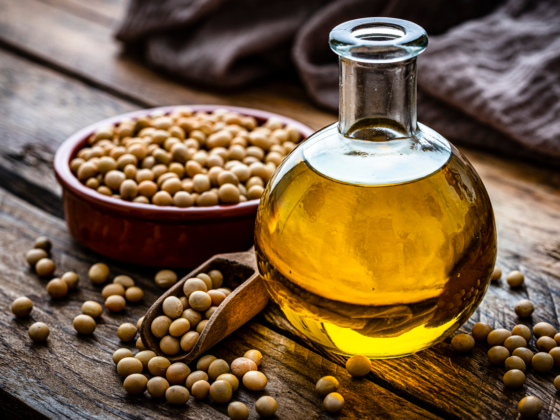
However, the type of oil you choose can have a significant impact on your horse’s health. Oils that are high in linoleic acid (an omega 6 fatty acid), relative to alpha linolenic acid (ALA) (an omega 3 fatty acid), can lead to an inflammatory response that causes pain and tissue damage. Commonly fed oils that are too high in linoleic acid include soybean oil (often referred to as “vegetable oil”) and corn oil. While some linoleic acid is necessary, the diet should be higher in omega 3s. They have been shown to alleviate arthritis symptoms, improve hoof quality, benefit immune function, decrease post-exercise muscle pain, aid in respiratory health, and reduce inflammation throughout the body. Chia seeds, ground Flaxseed, and Flaxseed oil are commonly used, excellent sources of omega 3s.
Consider Camelina oil
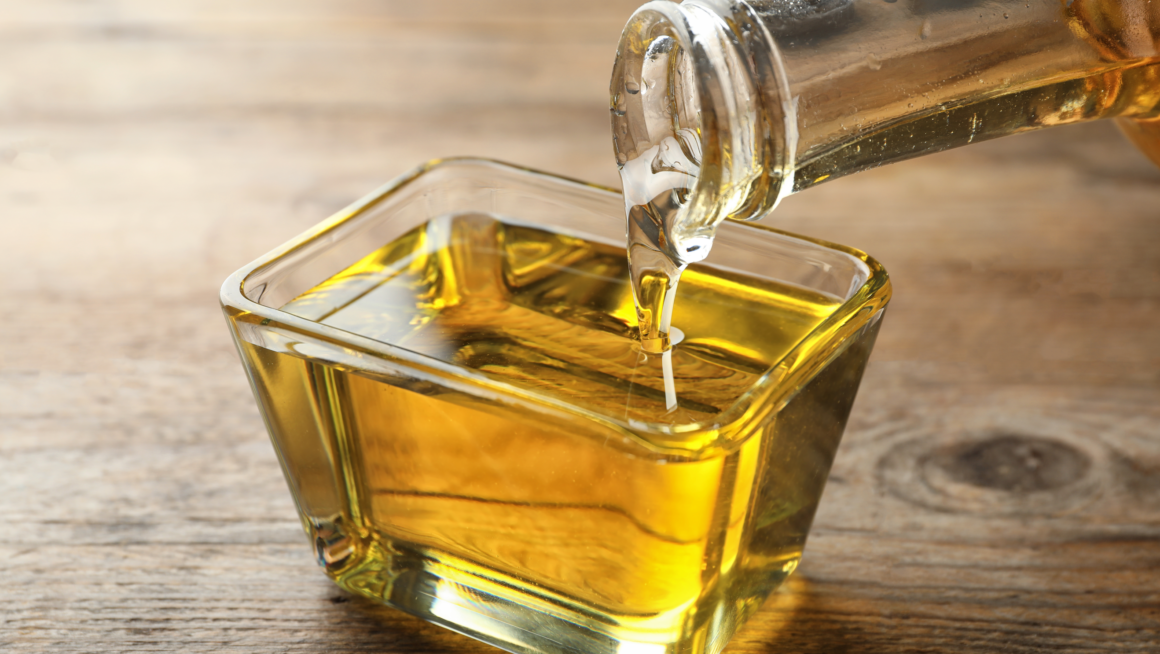
Relatively new to horse diets, Camelina oil offers an excellent alternative to Flaxseed oil. It comes from an edible seed, often referred to as “false flax.” It is high in ALA with a 2.5:1 ratio of omega 3s to omega 6s. Although Flaxseed oil provides even more ALA—four times more ALA than linoleic acid—Camelina oil’s shelf life is far superior. It is resistant to oxidative rancidity, making it highly stable. This is because of its remarkably high vitamin E content: 100 ml (slightly less than ½ cup) of Camelina oil contains 150 IU of natural vitamin E, whereas Flaxseed oil only contains 26 IU. Vitamin E is an antioxidant, and as such, it neutralizes damaging free radicals formed when the fatty acids are oxidized from air and light.
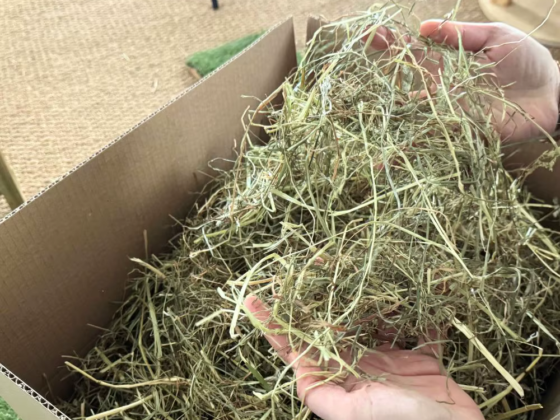
As we head into the fall months, pasture grasses are starting to slow down their growth, and produce fewer fatty acids. Hay, of course, contains little to no omega 6s or 3s after it’s been stored for a few months. Consequently, your horse relies on additions to its diet to provide these two essential fatty acids. You can feed ground Flaxseeds or Chia seeds for ALA and linoleic acid, with favorable omega 3:6 ratios, but if you need the most concentrated source of calories, it is best to add oil. Camelina oil offers a high quality option to help fill this need.
Wild Gold Camelina Oil and Premium Camelina Oil (with added spirulina, DHA, aloe vera, and prebiotics) are available with free shipping from Dr. Getty’s Supplement Store.
Permission to reprint this article is granted, provided attribution is given to Juliet M. Getty, Ph.D. No editorial changes may be made without her permission. Dr. Getty appreciates being notified of any publication.
Juliet M. Getty, Ph.D. is an independent equine nutritionist with a wide U.S. and international following. Her research-based approach optimizes equine health by aligning physiology and instincts with correct feeding and nutrition practices. Dr. Getty’s goal is to empower the horseperson with the confidence and knowledge to provide the best nutrition for his or her horse’s needs.Dr. Getty’s fundamental resource book, Feed Your Horse Like a Horse, is available at www.GettyEquineNutrition.com — buy it there and have it inscribed by the author, or get it at Amazon (www.Amazon.com) or other online retail bookstores. The seven individual volumes in Dr. Getty’s topic-centered “Spotlight on Equine Nutrition” series are available with special package pricing at her website, and also at Amazon in print and Kindle versions. Dr. Getty’s books make ideal gifts for equestrians.
Find a world of useful information for the horse owner at www.GettyEquineNutrition.com: Sign up for Dr. Getty’s informative, free e-newsletter, Forage for Thought; browse her library of reference articles; search her nutrition forum; and purchase recordings of her educational teleseminars. Shop with no shipping charges for supplements, feeders, and other equine-related items at her online store. Reach Dr. Getty directly at [email protected]. She is available for private consultations and speaking engagements.